

In 2024, the Global OER Graduate Network continued to foster innovation and collaboration among researchers and practitioners in open education. A key strategy employed this year has been the adoption of the “sprint” concept to enhance network activities. The concept here is that, by leveraging short, focused periods of intense collaboration, we can leverage the resources of the network to address specific, timebound and relevant challenges. This blog post reflects on the process and the outcomes that have been supported by the ‘sprint’ concept
Originally popularized in the fields of agile software development and design thinking, a sprint works over a concentrated period to achieve a specific goal. Participants work collaboratively on clearly defined tasks, with an emphasis on rapid iteration and problem-solving. GO-GN supports a diverse and geographically dispersed network of doctoral researchers, educators, and advocates for open education.
The sprint methodology therefore aligns well with GO-GN’s mission and operational structure:
- Focus on Shared Goals: Sprints enable the network to align around common objectives, such as developing resources, or addressing specific research questions.
- Scalable Collaboration: By concentrating activities within a defined timeframe, sprints facilitate meaningful participation across different time zones and schedules.
- Innovation and Experimentation: The structured, iterative nature of sprints encourages creative problem-solving and the rapid prototyping of new ideas.
- Community Building: Working together intensively on a shared challenge fosters stronger connections among members, enhancing the overall sense of community within the network.
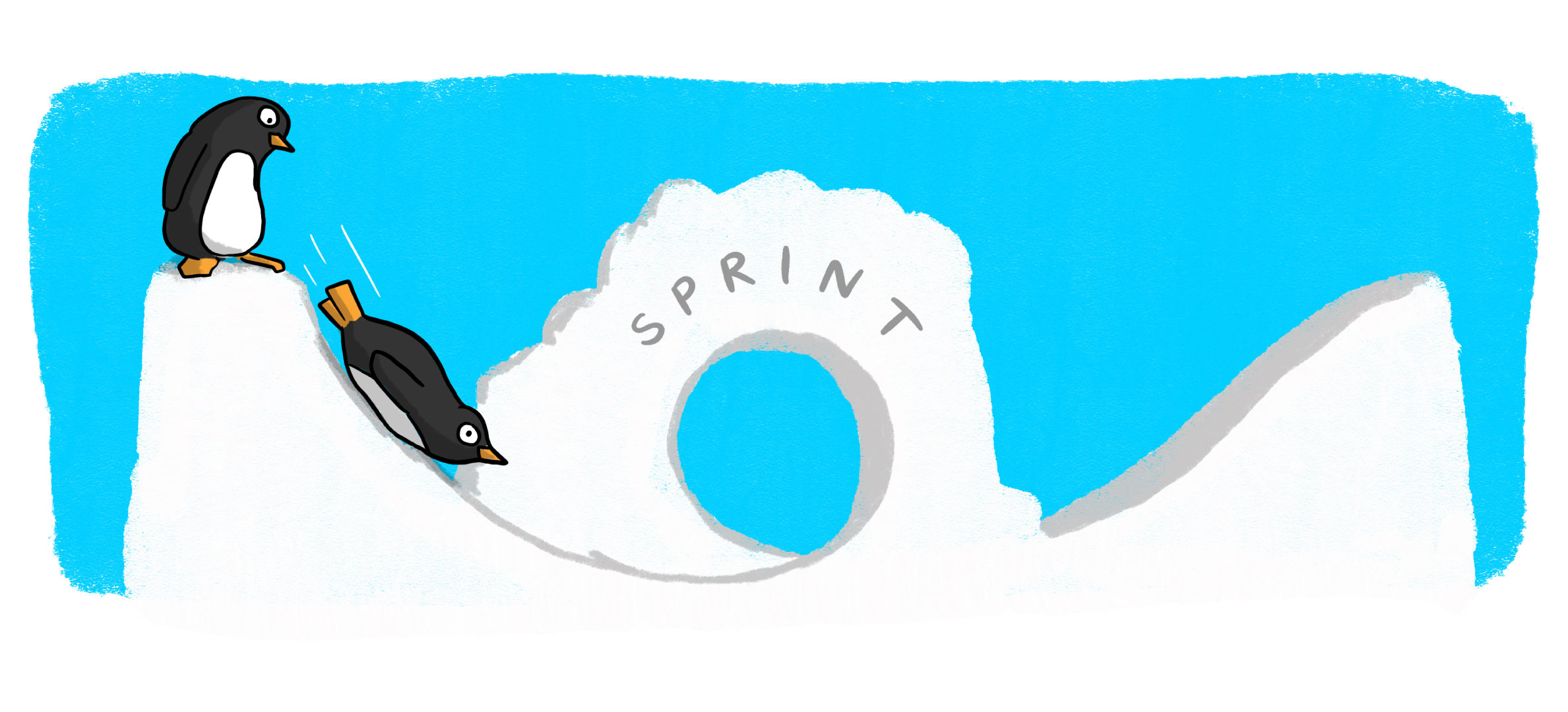
This year, GO-GN has organized several thematic sprints…
1. Open Educational Practices for AI in Education (OEPra)
Very few academic discourses were untouched by AI in 2024, and this sprint was no exception. The first of our sprints began early in the year and took on a life of its own, bringing together members from around the world to explore, interpret and discuss the world of artificial intelligence. Many members are interested in the prospect of AI and what it could mean for education and open practices. To better accommodate members in different time zones, open sessions were run a couple of times per week on different schedules. For the initial activity in this sprint, vibrant conversations were abound and this can have a lot of value for those who are involved. We covered many topics, including research, teaching and learning, definitions of AI, and more. The organic branching of these discussions was a strength, but also had the effect of making everything more diffuse.
Ultimately, the main outcome from this sprint was the mind map available at https://atlas.mindmup.com/drrobertfarrow/gogn_oepra/index.html. The sprawling nature of this map reflects the kinds of conversations that were being had around AI, which went well beyond research perspectives as members related the conversations to their own areas of focus. We crowdsourced various reports, guides, and research papers which are integrated into the map and have an ongoing relevance for members.
Mind maps can be great for collectively building understanding of a new area, although perhaps they have limited value for those who see the map without being part of the development process. There isn’t always an easy way to coordinate the efforts of time-poor researchers around the world, however! We also identified a few papers that could be a focus for collaboration, but by this point we were in the summer and the sprint had taken many more weeks than anticipated.
2. Internationalization
Our second sprint related to the activities proposed by Helen De Waard. As part of her scholarship she proposed a multi-voiced collaborative auto-ethnographic research project with GO-GN members on the theme of internationalization. This brought together more than 20 of our members from around the world to share their experiences of internationalization as part of an auto-ethnographic study. Internationalization is a concept typically applied to students in formal education who might choose to study and live in a different country. This study breaks new ground by looking at the ways in which an open, distributed network like GO-GN can offer and support international perspective taking and contextualisation of research. The sprint was used to collect data from the co-authors and facilitate work on the manuscript.
3. GO-GN Guide to Doctoral Supervision
Our third sprint was in support of our latest network output, the GO-GN Guide to Doctoral Supervision. This is the largest of our publications (at more than 100 pages) and had a lot of ground to cover. We used the sprint to gather member data using a brief survey, and also had a second sprint around the open editing process once the manuscript was drafted. This process was unchanged from the way that we produced our other major guides and reports, although we didn’t always frame them as ‘sprints’. Arguably, the process of writing something like this takes so long that it could only really be viewed as containing some connected sprint sessions where the wider author group gets involved. We have always thought of this writing process as a form of open educational practice, however.
Reflections
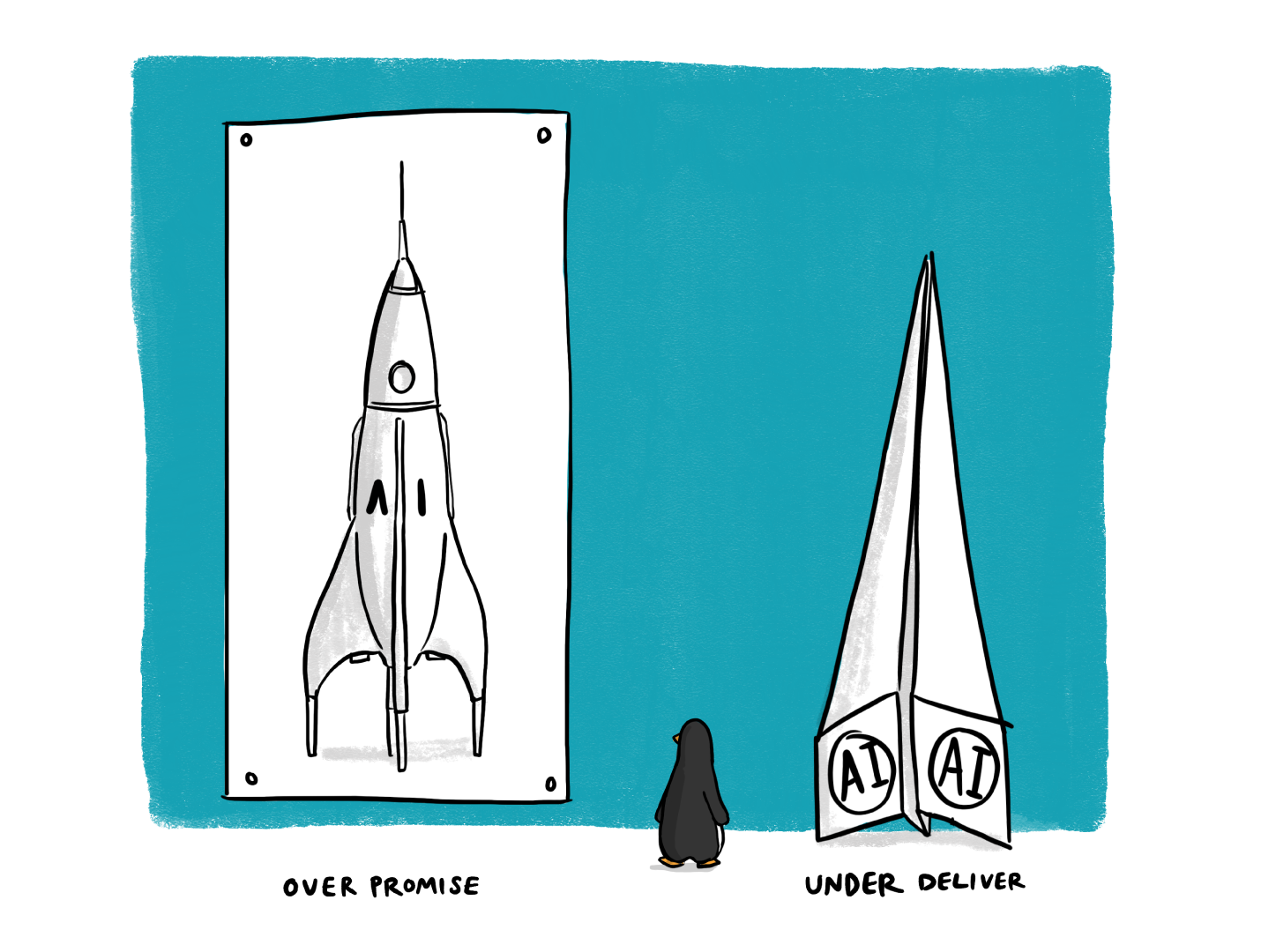
While there were several ongoing projects which were inspired by the OEPra sprint, one key learning point was the need to be true to certain principles in the sprint method. Sprints are time bound and should have clear, tangible goals. The OEPra sprint ended up going on for a significant time with a creeping scope. With the benefit of hindsight, it might have made more sense to have a series of smaller, contained sprints within one initiative. Arguably, the sprawling nature of this sprint also meant that anyone who didn’t get involved near the start might have found it harder to get involved later. If a sprint goes on long enough it can become an activity which people find harder to join.
In theory, sprints should be a way to distribute work across a team. In practice, however – and perhaps at least partly because we are distanced collaborators – it often falls to one or more individuals to be the key drivers of such initiatives. The sprint leads (in sprint perlance, ‘scrum masters’) are relying on the efforts of busy people who need to find the time to contribute. This is quite unlike the usual application of sprint methods in a private or commercial enterprise where new tasks can be issued daily.
Despite these challenges, the sprint approach has proven to be a valuable mechanism for engaging the GO-GN community. It provides a structured yet flexible way to bring people together around shared goals while accommodating the diverse time zones, schedules, and priorities of a global network. The thematic focus of each sprint allowed for deep dives into topics of immediate relevance, fostering a sense of purpose and collaboration as well as new opportunities for informal learning and building connections.
Moreover, the sprints reinforced the importance of adaptability and reflection in community-driven initiatives. While some activities stretched beyond their original scope, they also highlighted the enthusiasm and commitment of members, who brought diverse perspectives and expertise to the table. Going forward, a more deliberate application of the sprint methodology, with clearer boundaries and intermediate milestones, could help maintain momentum without overburdening participants. These experiences underscore the evolving nature of GO-GN’s collaborative efforts, providing valuable lessons for future initiatives that aim to balance inclusivity, creativity, and efficiency in advancing open education research.
So, we’ll keep the sprint concept for 2025 at least! With that in mind, here are some thoughts on how we might get the most out of sprints going forward.
Guidance for Future Sprints
- Have clearly identified goals that can work within the timeframe
- Know what kind of resources are required for success and adjust plans if needed
- Plan sprints so that they can work with differing levels of involvement from members of the network
- Realise that if you lead a sprint you are expecting others to find time to help you
- Anticipate sprint goals and activities that have wide relevance for the network
- Working towards publications is a concrete aim that is likely to interest members
- Ensure that all participants understand their roles and contributions to the sprint, including who is responsible for coordination, facilitation, and delivering specific outputs
- Schedule periodic updates or checkpoints to monitor progress, address challenges, and maintain momentum
- Leverage accessible and user-friendly tools to streamline communication and foster collaboration among geographically dispersed members
- Develop strategies or resources (e.g., brief summaries or recorded sessions) to onboard new participants who join mid-sprint, ensuring they can contribute effectively
- Conclude each sprint with a wrap-up session to celebrate progress, document lessons learned, and outline next steps to maintain engagement and momentum
