

By Dr Agava Stanislaus, Dr Penninah Musangi and Ms Teclar Jebet.
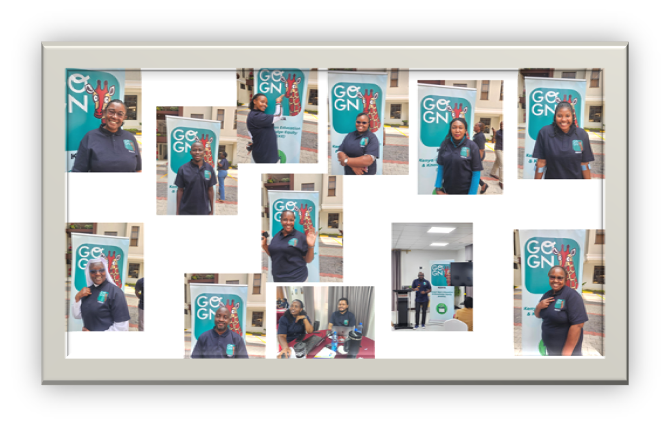
The Kenya Open Education & Knowledge Exchange (KOEKE) Hub, Kenya’s regional node of the Global OER Graduate Network (GO-GN), held its first in-person workshop on 31st October 2025 in Naivasha. The event brought together doctoral researchers, GO-GN alumni, and open education practitioners for a full day of structured learning, collaborative reflection, and strategic capacity building. Guided by the theme “Advancing Open Education and Research Collaboration in Kenya,” the workshop provided an important platform for strengthening research skills, fostering partnerships, and aligning local efforts with global open education priorities.
Overview of the Day’s Sessions
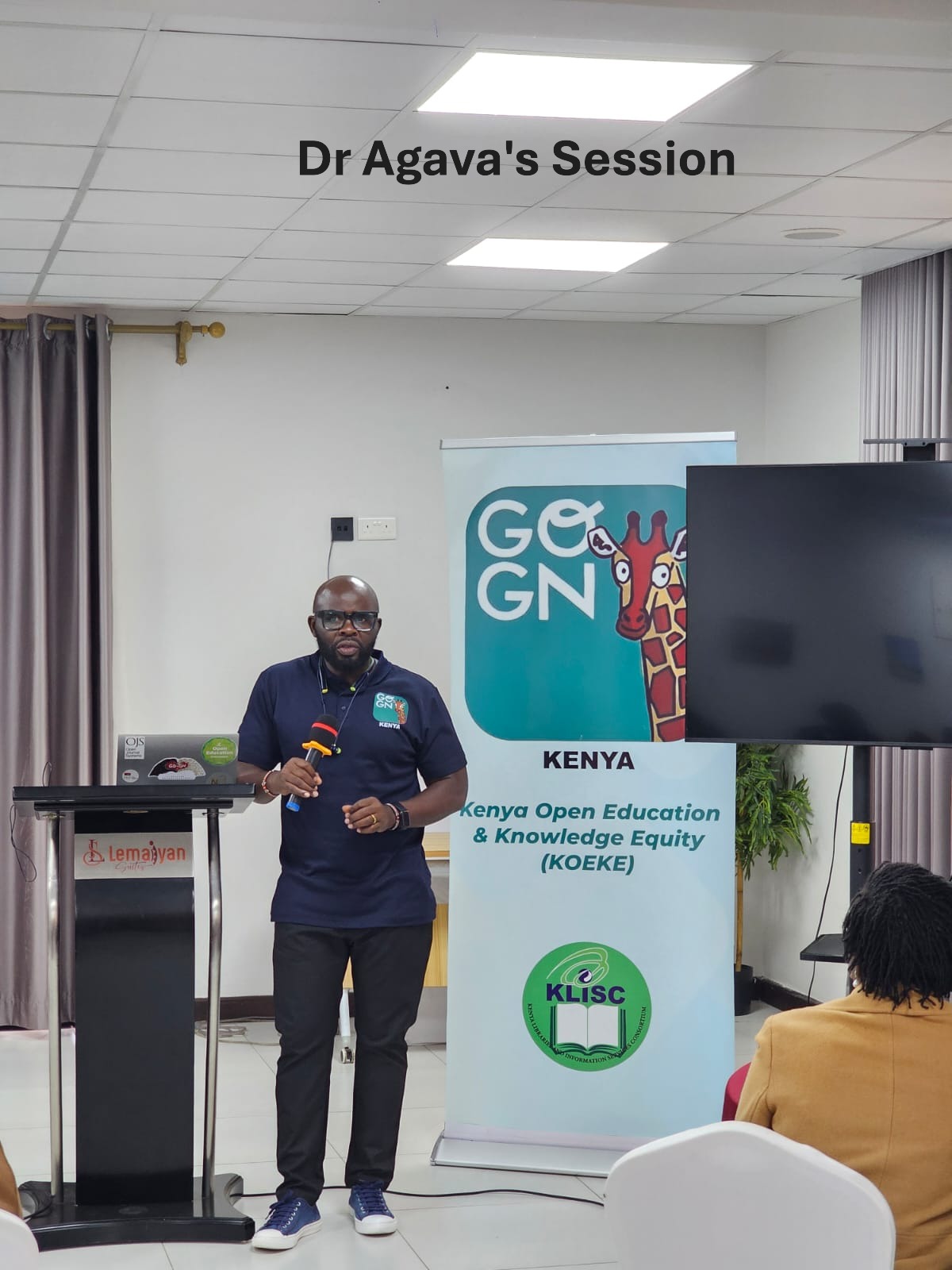
The workshop commenced with welcoming remarks and an introduction to the vision and mandate of KOEKE and GO-GN by Dr Stanislaus Agava. He highlighted the Hub’s role in adapting the global GO-GN mission for Kenyan scholars by fostering a supportive research community dedicated to promoting open education and tackling locally relevant issues.
Publishing from Your PhD
Mr Joel Nakitare from Rongo University delivered a comprehensive session entitled “Publishing from Your PhD,” offering practical guidance on transforming a doctoral thesis into publishable journal articles. He distinguished the structural and conceptual differences between a thesis and a journal article, addressed issues such as predatory publishing, and emphasised the value of open access platforms for enhancing visibility and impact. His presentation served as a clear roadmap for elevating doctoral research into reputable scholarly outputs.
Leveraging Artificial Intelligence in Scientific Writing
In her session, Dr Peninah Musangi from Amref International University explained how Artificial Intelligence tools can support academic writing. She positioned AI as an aid for brainstorming, outlining, refining language, and improving clarity, while stressing the importance of responsible and ethical use. Her session emphasised enhancement over substitution, transparency in use, verification of AI-generated content, and strict compliance with institutional and data protection policies.
Open Education in Africa
An online presentation by Dr Glenda Cox from the University of Cape Town situated the workshop’s activities within the broader African open education landscape. Her session, “Open Education in Africa: Opportunities and Challenges,” explored open education as a transformative mechanism for curriculum innovation, student empowerment, and knowledge equity. She highlighted open education as both a pedagogical approach and a social justice imperative for the continent.
Experiences from a GO-GN Alumnus
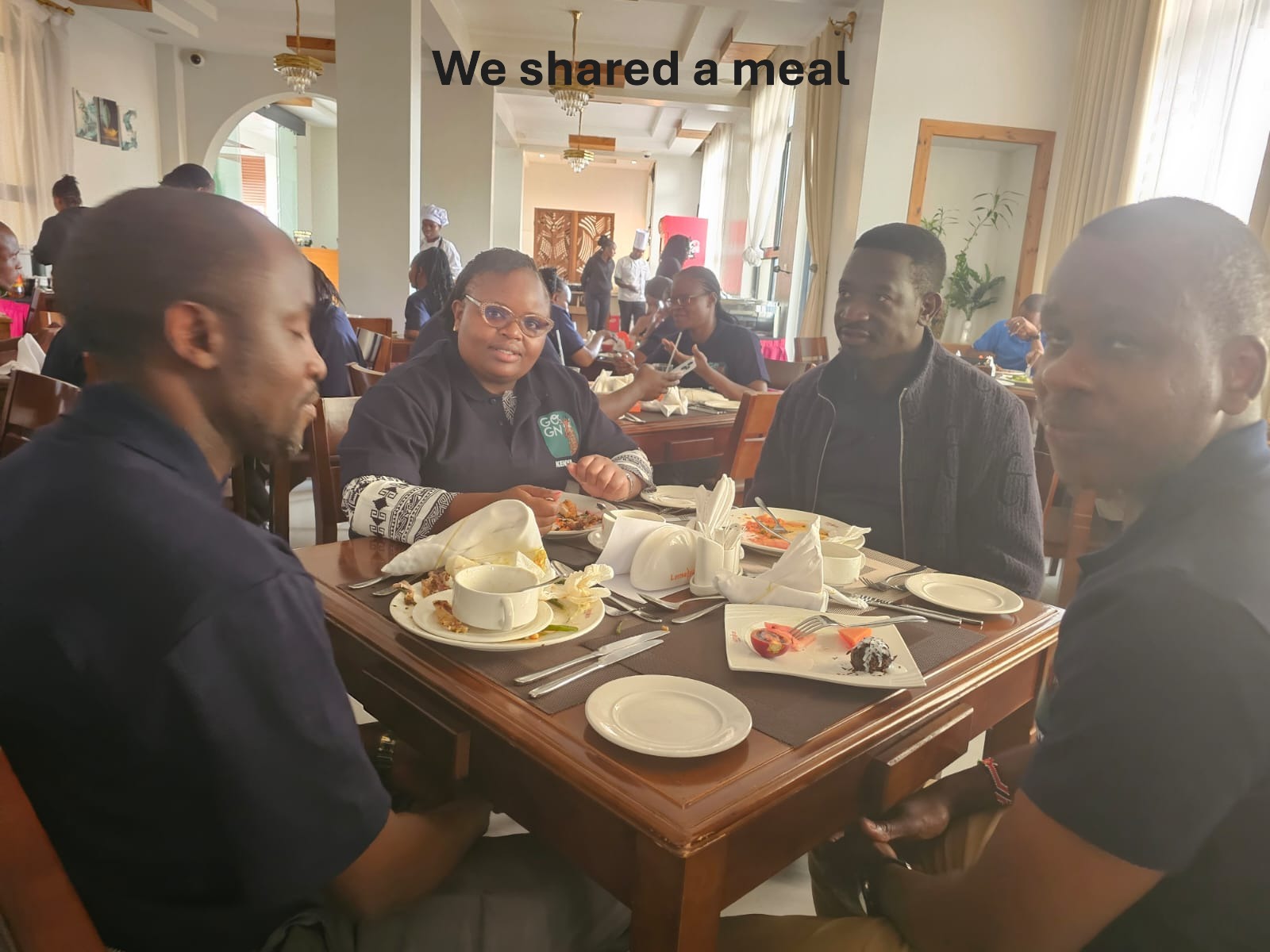
After lunch, Dr John Paul Ngeso from the National Qualification Authority (NQA) shared valuable reflections from his own experience as a GO-GN alumnus. His presentation offered practical strategies for navigating the doctoral journey within a global scholarly network, inspiring participants to leverage community support for research excellence.
Emerging Lessons on Thesis and Supervision
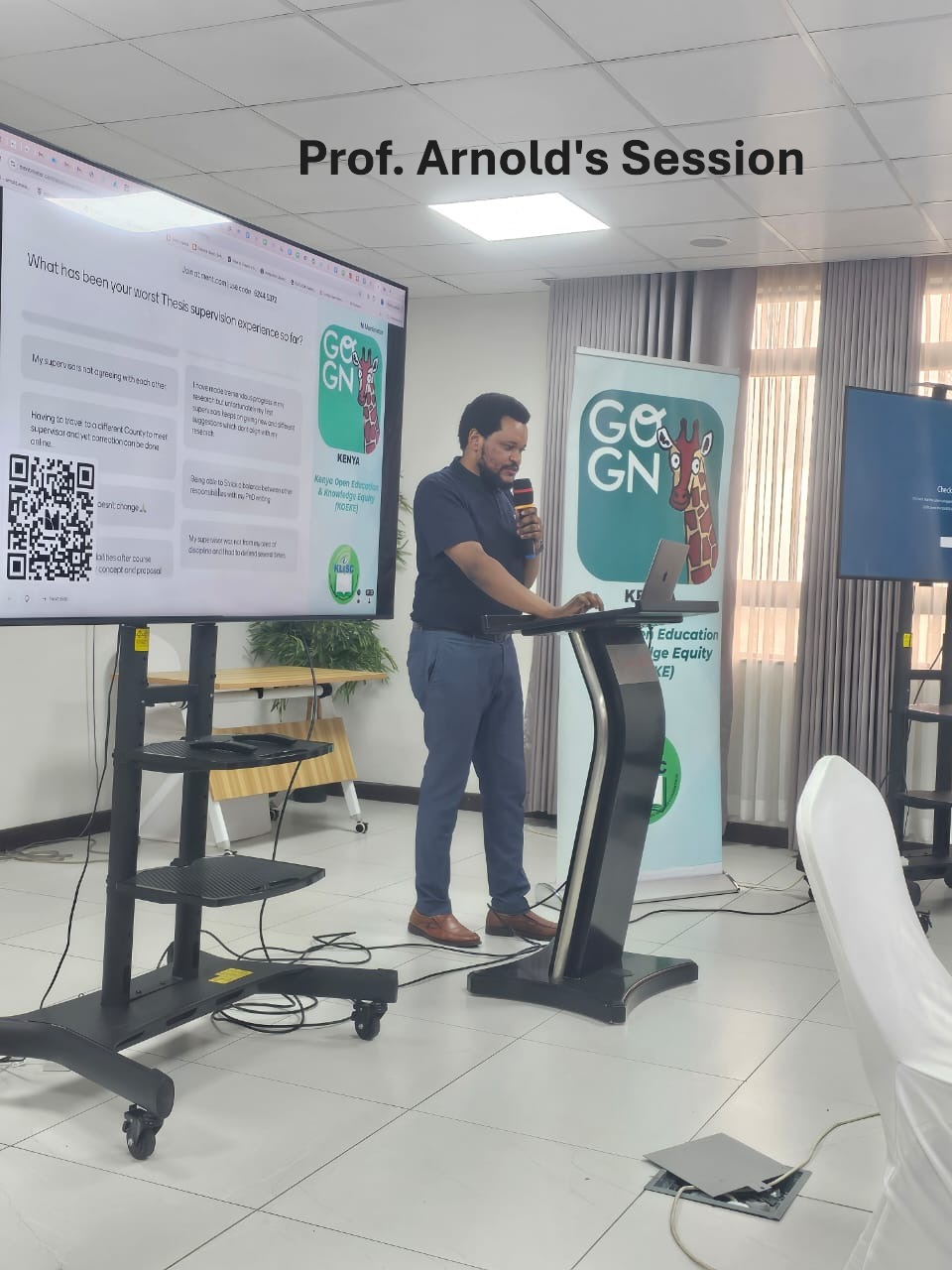
One of the most impactful sessions was delivered by Prof. Arnold Mwanzu from the Aga Khan University, who addressed the realities of PhD progression and attrition. His presentation provided detailed guidance on identifying research gaps, aligning philosophical foundations with methodology, maintaining clarity in writing, and managing supervisory relationships. He emphasised discipline, consistency, and clear communication as essential ingredients for successful doctoral completion.
Open Access Resources for PhD Success
In the final session, Ms Ruth Gibendi, from Meru University of Science and Technology (MUST), introduced participants to a comprehensive suite of open-access tools and resources designed to support doctoral research. She demonstrated platforms for conducting literature reviews, accessing journals and datasets, using open-source software, and engaging with Open Educational Resources (OER). Her session highlighted how open access can level the playing field for researchers regardless of institutional resource constraints.
Formation of Research and Working Teams
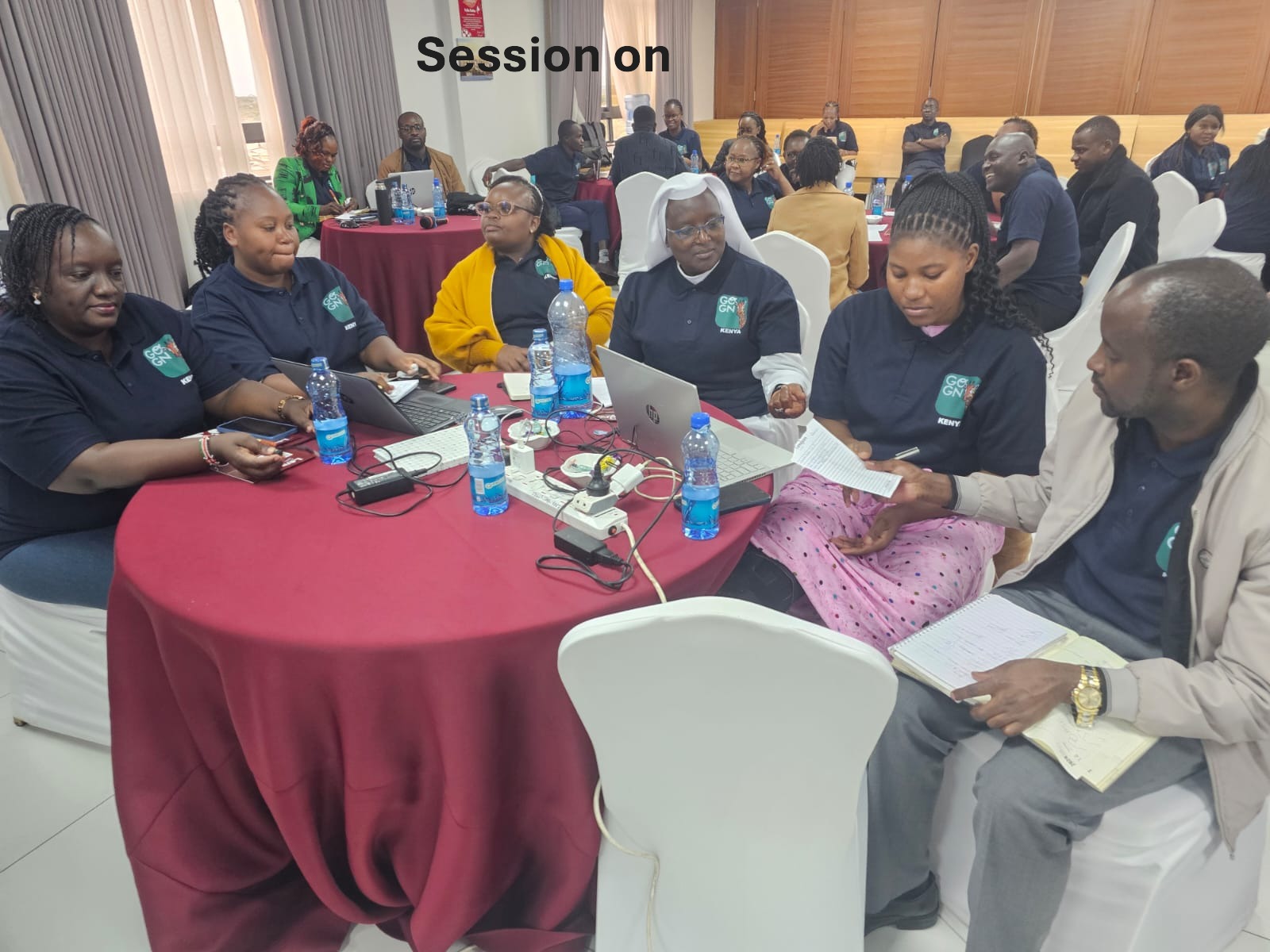
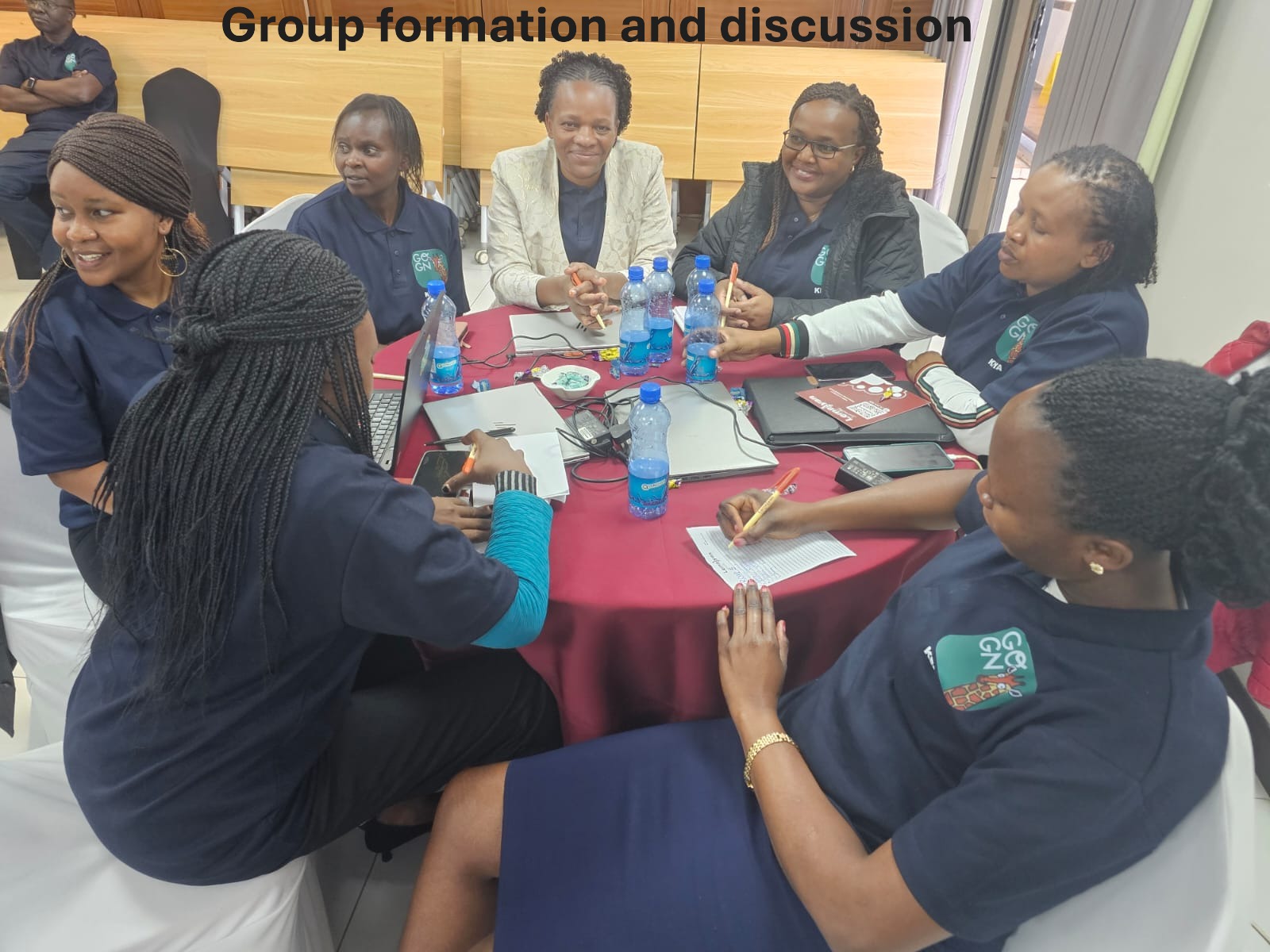
A key outcome of the workshop was the establishment of five Research and Working Teams aligned to critical stages of the doctoral research process. These groups are expected to provide sustained peer support and foster ongoing collaboration beyond the workshop. The teams formed were:
- Group 1: Chapter 5 & Submissions – Supporting discussion, conclusion writing, and the publication process.
- Group 2: Data Collection – Sharing methodologies, fieldwork strategies, and best practices.
- Group 3: Chapter 3 – Focusing on research design, methodology, and alignment with philosophical foundations.
- Group 4: Chapters 1 & 2 – Refining problem statements, introductions, and literature reviews.
- Group 5: Concept – Supporting members in developing and sharpening research ideas as they await starting their research journey.
These teams represent a significant step toward building a sustainable, community-driven model of doctoral research support.
Conclusion
The KOEKE/GO-GN Kenya Hub in-person workshop was a success, marked by active participation, high-quality presentations, and meaningful collaboration. Besides the knowledge shared, the workshop strengthened the regional research community, raised awareness of open education principles, and set clear pathways for future engagement. Participants departed with improved skills, renewed motivation, and a shared sense of responsibility in promoting open education and scholarly excellence in Kenya and the wider region.
The workshop marked the beginning of a sustained effort to nurture a vibrant open education research community, one that is collaborative, empowered, and aligned with both local needs and global movements.
All photo credits: GO-GN Kenya Hub/KOEKE
