

This post is written by Francisco (Paco) Iniesto (UNED).
I have used this fellowship to reflect on a better understanding of the current context of Inclusion, Diversity, Equity and Accessibility (IDEA). At GO-GN, we have seriously considered those values since 2018, which turned out to be very important when we became a community of care in difficult times such as the pandemic. Current beats are also complex due to radicalisation and banalisation of IDEA by politics, and how that is affecting education and open values.
Looking at the past with the latest developments such as the emergence of generative AI, I have revisited the research done in previous projects and worked with data from Latin America and Africa, in this sense we have collaboratively worked in an accepted article for the Journal of Interactive Media in Education (JIME) named “Empowering Equity, Diversity and Inclusion: The Impact and Future of Open Education in Latin America” using the Dubai Declaration on Open Educational Resources (OER) as the guiding framework. The findings emphasise Latin America’s capacity to develop open ecosystems by strengthening collaboration among universities, investing in local expertise, and fostering a clearer regional identity and communication. The study also advises promoting multilingual resources and inclusive events to build a more connected community. From an IDEA standpoint, ensuring accessibility in low-bandwidth settings is a critical priority.
As a second step, we have produced a work-in-progress draft related to the African data to be submitted soon to a journal in the educational area. Following key outcomes from these studies, with the objective of enlarging the multilingual access of open educational research, I have translated the GO-GN Equity, Diversity and Inclusion guidelines into Spanish.
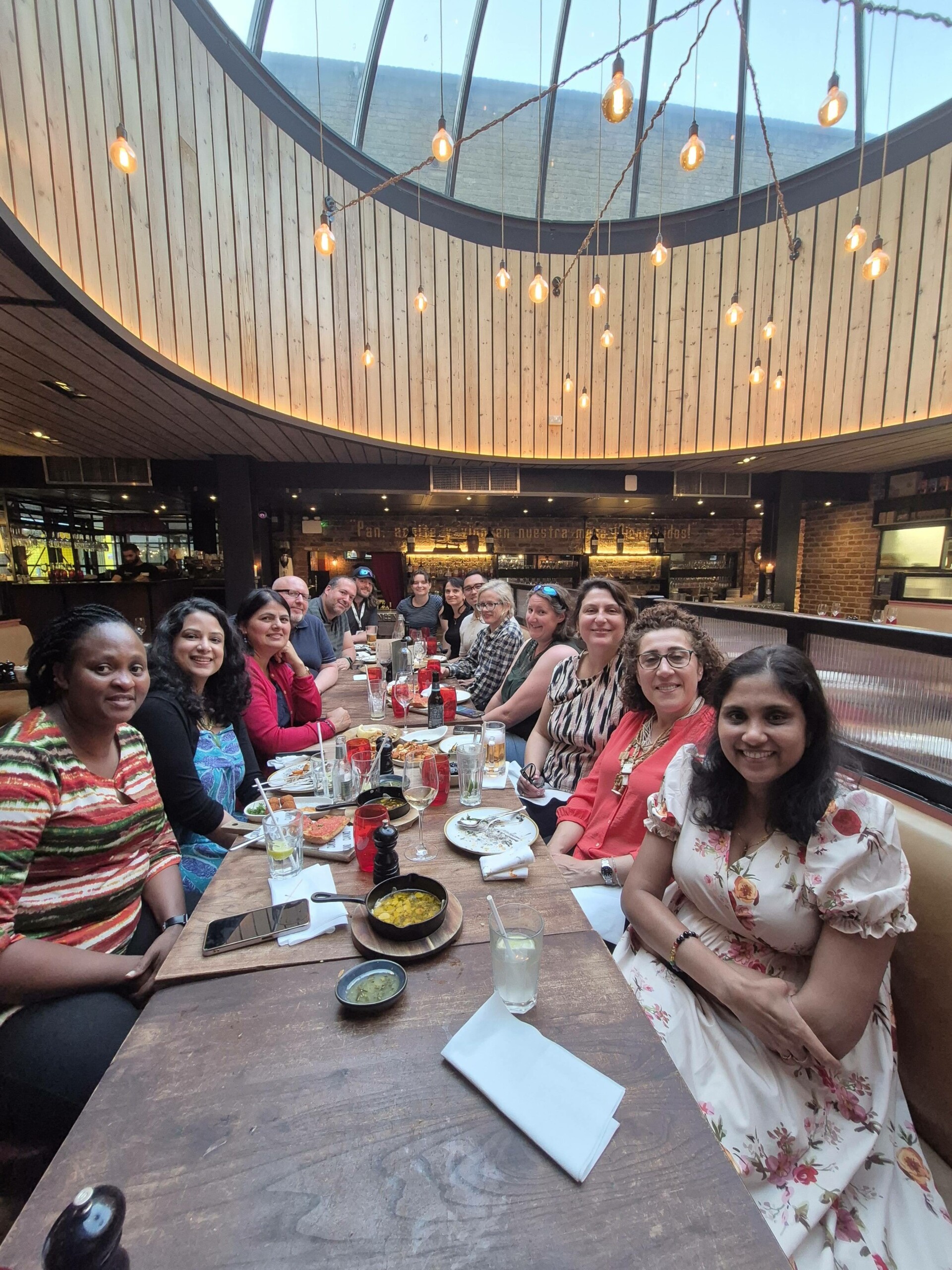
This scholarship has also provided me with the opportunity to attend and present at OER 25 in London in June this year. This was an outstanding opportunity to participate in the conference that had a critical theme related to my scholarship: “Speaking truth to power: open education and AI in the age of populism” and a great opportunity to re-connect with the community. The presentation I gave was “Open Science for Inclusion, Diversity, Equity and Accessibility (IDEA)” where while revisiting values from previous research, I took the opportunity to expand on the importance of codesigning open software solutions for IDEA where current GenAI can be powerful but also include potential barriers in areas such as the need for empowering diverse voices, fostering innovation, building trust and ownership, promoting ethical development, and improving accessibility, usability and user experience.
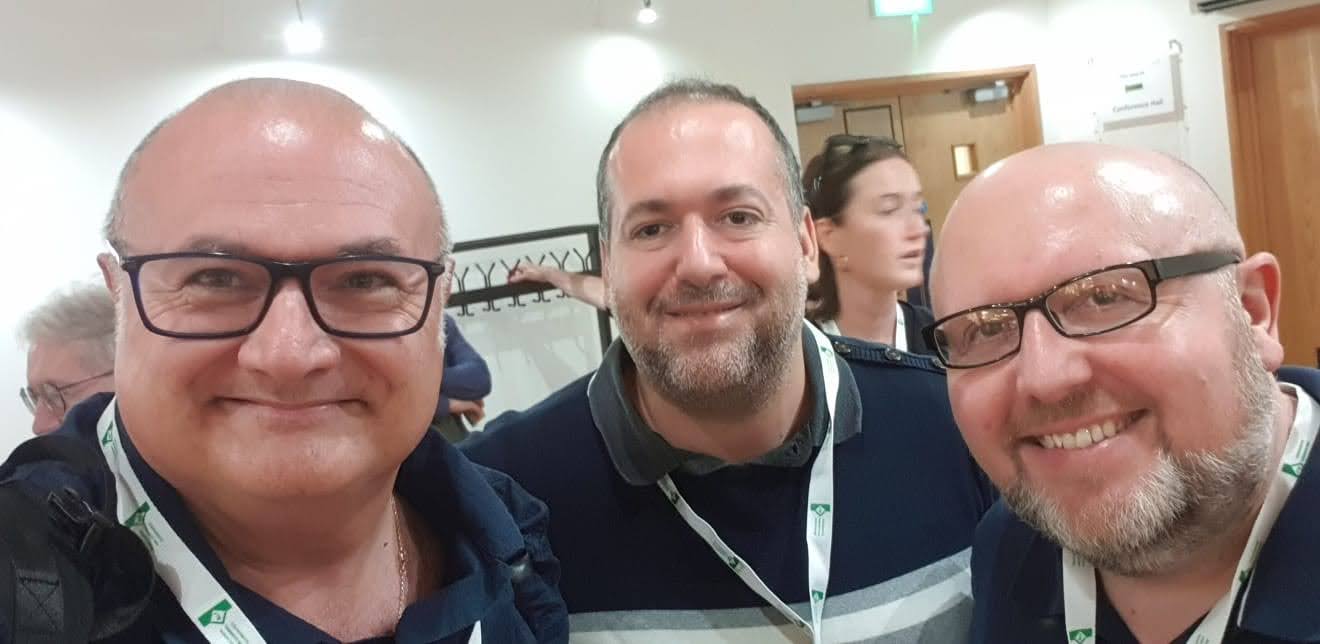
After the conference, I spent several days in Milton Keynes in a research visit, re-connect and working with several colleagues about all that is going on at the Open University and my work at UNED. I cannot avoid adding the tremendous honour that, while finalising this scholarship, I now have the opportunity to co-lead one of the GO-GN regional pilot hubs, in this case, the Ibero-American hub, where we are trying to put into practice some of the vast knowledge we have in the GO-GN network.
I am a proud GO-GN alumnus, and currently working at the School of Computing Engineering, Universidad Nacional de Educación a Distancia (UNED, Spain). Before I got my PhD and worked at the Institute of Educational Technology at the Open University (OU, UK), where I am a visiting academic.
Photos of the GO-GN dinner at OER25 and group photo with Paco (centre) with Antonio Martínez-Arboleda (left) and Rob Farrow (right) courtesy of Paco Iniesto.
