

By Dr Agava Stanislaus, GO-GN Kenya Hub lead
What does it take to meaningfully support PhD researchers in Kenya, and why does it matter for the future of open education? These were the guiding questions behind a six-month initiative (September 2025 to February 2026) led by the Kenya Open Education Knowledge Equity (KOEKE) Hub. Hosted by the Kenya Libraries and Information Services Consortium (KLISC) under the Global OER Graduate Network (GO-GN), the hub set out to strengthen research capacity while fostering a sense of community among doctoral researchers. What emerged was not only a set of encouraging results but also a compelling case for rethinking how research support is designed and sustained.

The need for such an initiative is clear. While Kenya has a large and growing university population, only a small fraction pursue doctoral studies. Those who do often navigate their research journeys with limited funding, minimal mentorship, and weak institutional support structures. These challenges can slow progress, isolate researchers, and ultimately affect the quality and impact of their work. The KOEKE Hub responded to this gap by creating a structured yet flexible space where PhD researchers could access mentorship, collaborate with peers, and connect to global academic networks.
Rather than offering a one-off training, the hub adopted a continuous, multi-phase approach that combined recruitment, capacity building, mentorship, and reflection. A flagship in-person workshop in Naivasha served as a foundation for deeper engagement, complemented by ongoing virtual interactions, webinars, and peer learning sessions. This hybrid model proved to be particularly effective, allowing participants to benefit from both face-to-face collaboration and sustained online support. In doing so, the hub moved beyond traditional training formats and instead cultivated a living, evolving research community.
The outcomes were both measurable and meaningful. Participants reported significant improvements in their research processes and outputs, with many highlighting enhanced confidence, clearer research direction, and stronger academic writing. A large majority noted that mentorship played a central role in these gains, while others pointed to the value of peer exchange and collaborative learning. Tangible outputs also emerged, including progress in thesis development and defence, journal articles under review, and conference presentations. Yet beyond these achievements, perhaps the most important outcome was the formation of a supportive network of researchers who continue to engage, share, and grow together.
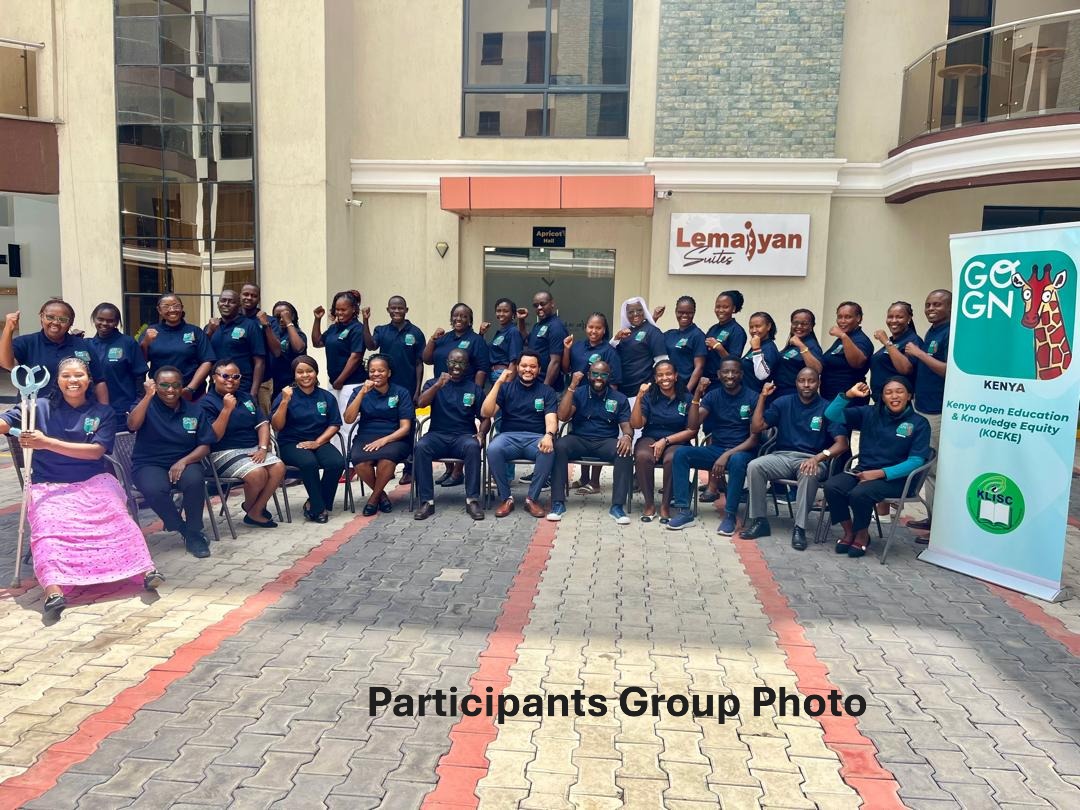
Mentorship stood out as the defining strength of the programme. It was not treated as an optional add-on, but as a core element of the research process. Through regular interactions with mentors and peers, participants were able to refine their ideas, receive constructive feedback, and navigate common challenges with greater confidence. The combination of mentorship and in-person engagement created a sense of belonging that is often missing in doctoral journeys, particularly in resource-constrained contexts.
At the same time, the experience highlighted several challenges. Many participants struggled to balance the demands of the programme with their existing academic and professional responsibilities. Funding limitations also posed constraints, particularly in sustaining activities beyond the pilot phase. These realities underscore a broader lesson: short-term interventions, while valuable, are not sufficient to transform research ecosystems. Long-term commitment and sustained engagement are essential.

Looking ahead, there is strong interest in continuing and expanding the initiative. Most participants expressed a desire to remain engaged, particularly through ongoing mentorship, workshops, and collaborative opportunities. The vision is to institutionalise the hub within KLISC, extend its reach across East Africa, and develop longer-term research programmes that can provide consistent support to doctoral researchers.
The KOEKE Hub ultimately demonstrates that even modest, well-designed interventions can have a significant impact. By prioritising mentorship, fostering collaboration, and creating spaces for continuous engagement, it is possible to strengthen research capacity in meaningful and lasting ways. More importantly, it shows that when researchers are supported, not just trained, they are better equipped to thrive, contribute, and shape the future of open education.
All photo credits: GO-GN Kenya Hub/KOEKE
