

We are delighted to announce our new GO-GN scholarship awardees. Congratulations to Dr. Jess O’Reilly (Cambrian College) and Dr. Francisco Iniesto (National University of Distance Education (UNED), Spain).
You can find out more about Jess and Francisco’s scholarships below. Scholarship awardees will be regularly reporting back on progress, and we’ll share more from both Jess and Francisco in due course.
The third and final call for scholarship applications is currently open. If you are a current GO-GN doctoral researcher or alumni member please do consider applying. Find out more about the GO-GN scholarship scheme and apply by 1 May 2025.
Jess O’Reilly: Inclusive and Culturally Responsive Open Educational Practices
Dr. Jess O’Reilly is a Professor and Program Coordinator at Cambrian College in northern Ontario, Canada, where she focuses on open education, Indigenous perspectives, and decolonizing post-secondary learning. She is a person of mixed European-Canadian and Algonquin Anishinaabe ancestry and is committed to centering Indigenous ways of knowing in education.
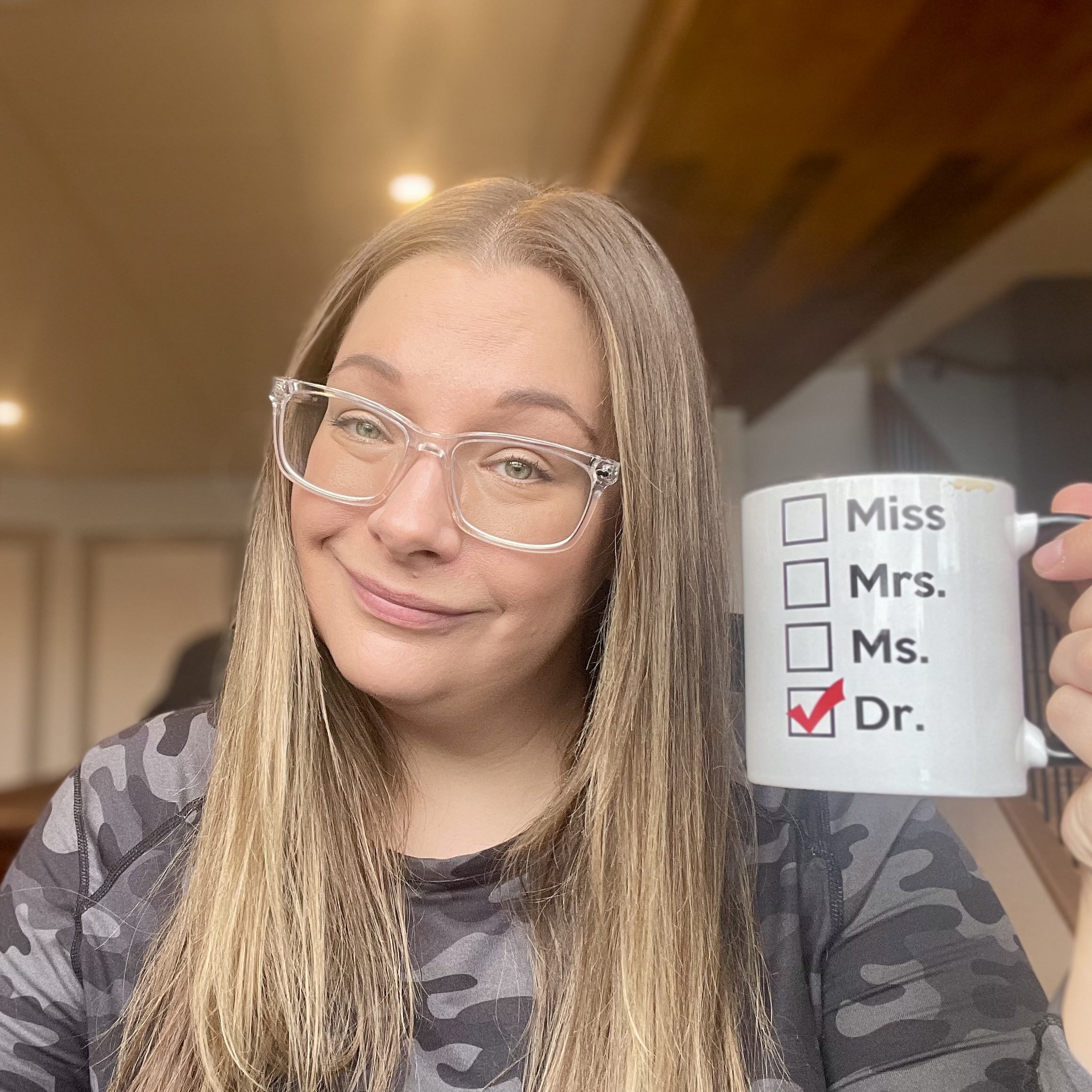
As a recent graduate of Athabasca University’s Doctor of Education in Distance Education program, Jess’s dissertation research explored how college students in a Truth and Reconciliation course engaged with Open Educational Resource-Enabled Pedagogy (OER-EP) by creating renewable assignments. Grounded in Etuaptmumk (Two-Eyed Seeing), her study examined how learners made meaning through their work, considered their audience, and navigated ethical decisions around licensing and anonymity. Her findings contribute to ongoing conversations about open education, reconciliation, and student agency in learning.
With the support of the GO-GN scholarship, Jess will be sharing her research at OTESSA 2025, where she will present on her dissertation and continue advocating for more inclusive and culturally responsive open educational practices. She is excited to engage with the GO-GN community, exchange ideas, and contribute to global conversations on open education and decolonization.
Outside of her research, Jess has been actively involved in open education advocacy, curriculum development, and community-engaged learning. She has worked extensively with Indigenous and non-Indigenous learners to create accessible, culturally relevant educational resources and continues to support faculty in integrating open pedagogy into their teaching.
Francisco Iniesto: Open Science for Inclusion, Diversity, Equity and Accessibility (IDEA)
Francisco (Paco) is a GO-GN alumnus currently working at the National University of Distance Education (UNED, Spain). Before that Francisco received his PhD from, and worked at, the Institute of Educational Technology at the Open University (OU, UK).
We need to understand that Inclusion, Diversity, Equity and Accessibility (IDEA) and its values are more at risk than ever with the current political context worldwide. IDEA is a basic pillar for the future of open science and open education research because it addresses fundamental issues of fairness and opportunity. GO-GN has been researching equity, diversity and inclusion (EDI) since 2018 through several projects and it has contributed to creating a more just society where everyone, regardless of background, has access to open resources and open support as a settled community of care.
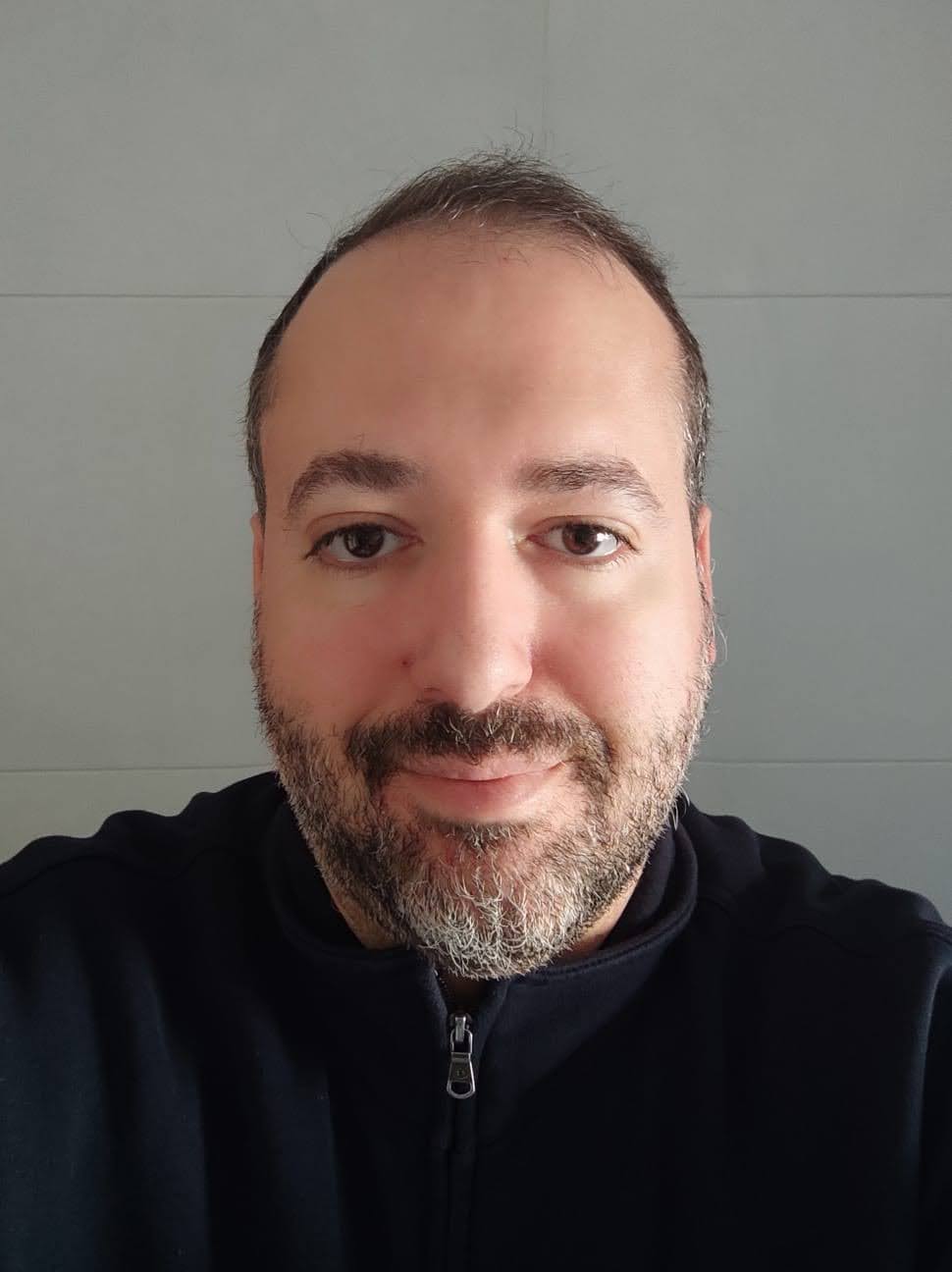
Working together with the GO-GN team and members this scholarship will look at the work done by previous and present projects with a Global South focus. The scholarship will contribute to moving forward by revisiting data, improving procedures and guidelines and producing research publications that reinforce the strength and visualisation of EDI, with the additional element of accessibility in open educational research. The addition of accessibility will complement the work already done by GO-GN on EDI, as well as aligning with Francisco’s expertise and interest. Francisco investigated the accessibility of MOOCS during his PhD and has been part of several international projects to improve accessibility in varied contexts such as museum technologies, virtual assistants for administrative educational purposes, and open access archived text in digital libraries.
This is timely since more than ever we need to dismantle barriers, promote understanding, and empower underrepresented communities ensuring open science and in particular open education is truly a transformative force.
